19 July, 2023
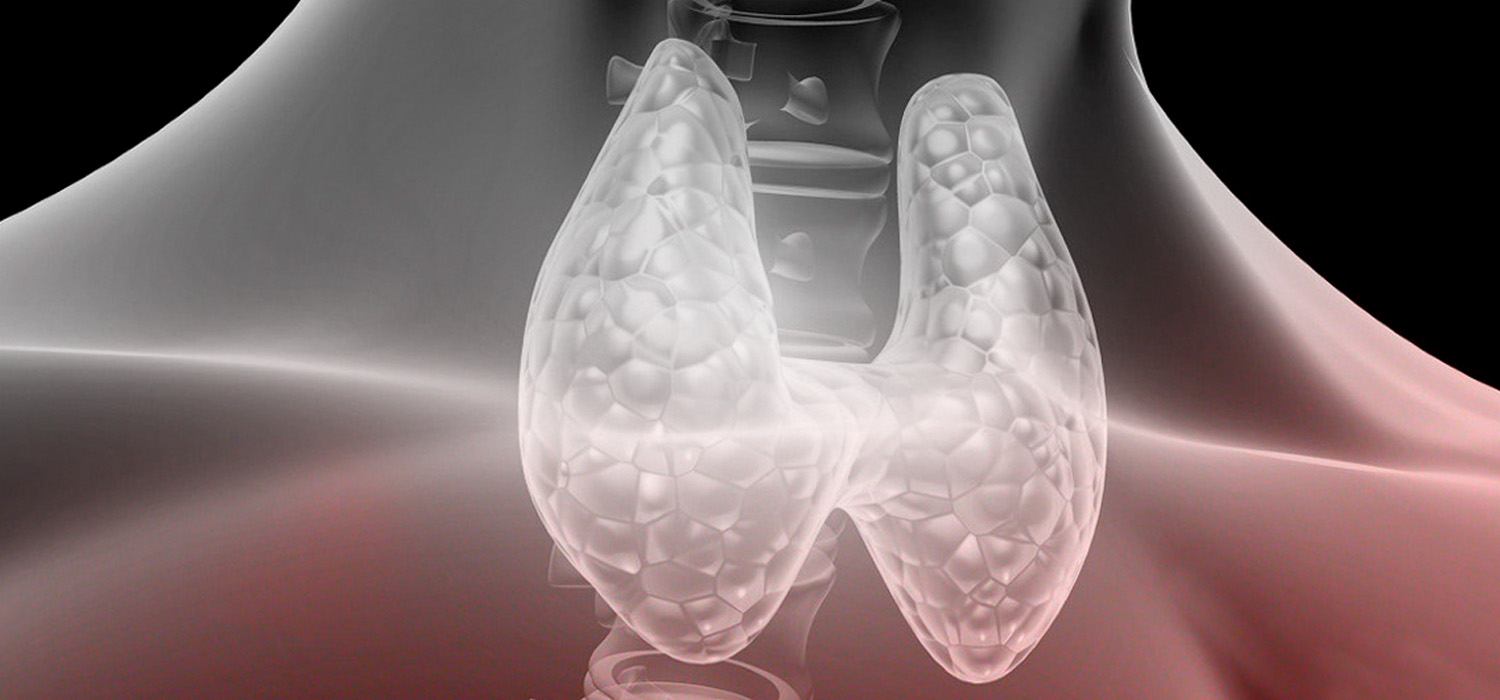
Thyroid and Reproduction: Impact, Screening, and Treatment
The thyroid is a butterfly shaped gland in the anterior region of the neck, secreting thyroid hormones under the influence of TSH which is secreted by the pituitary...
Read More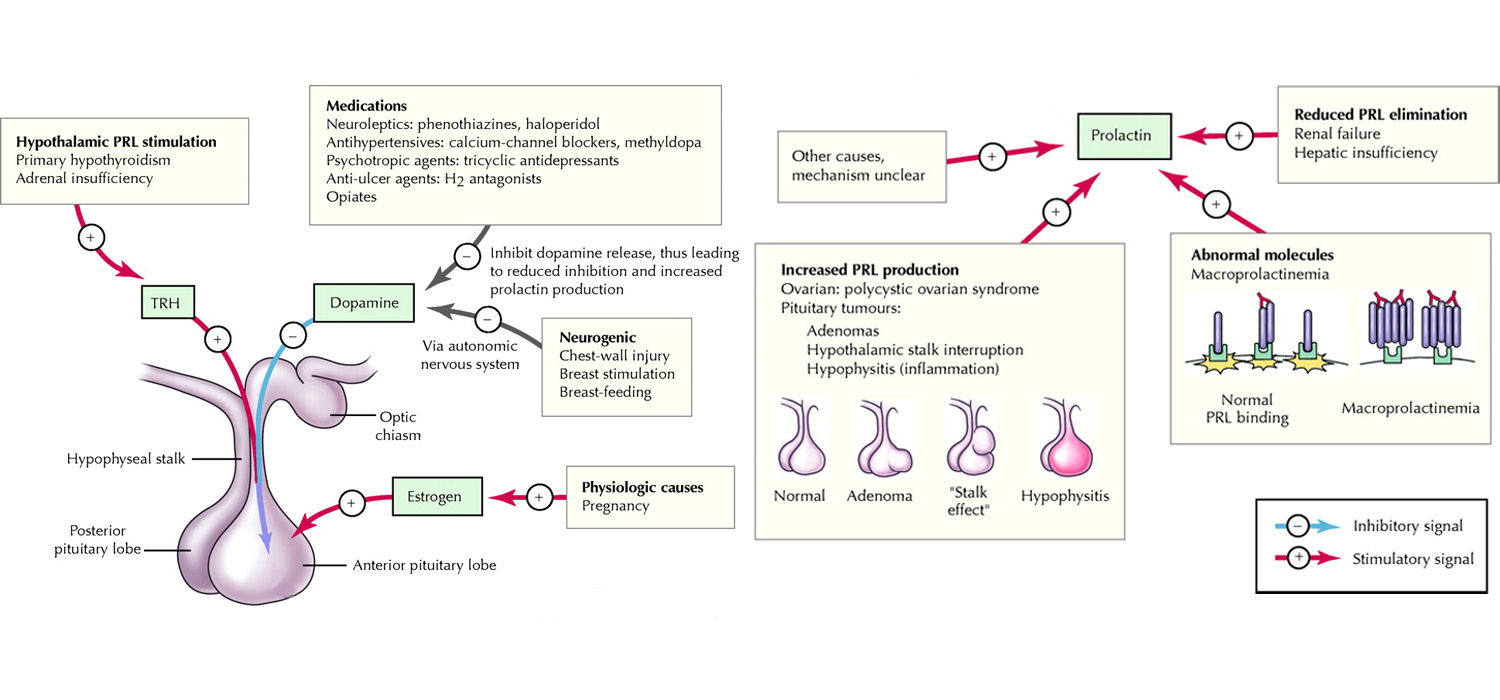
19 July, 2023
Reproductive Endocrinology Prolactin Disorders
Prolactin is an amino acid hormone, secreted from anterior pituitary and coded on chromosome 6. Unlike other anterior pituitary hormones which are under the influence of releasing factors, prolactin is under inhibitory control...
Read More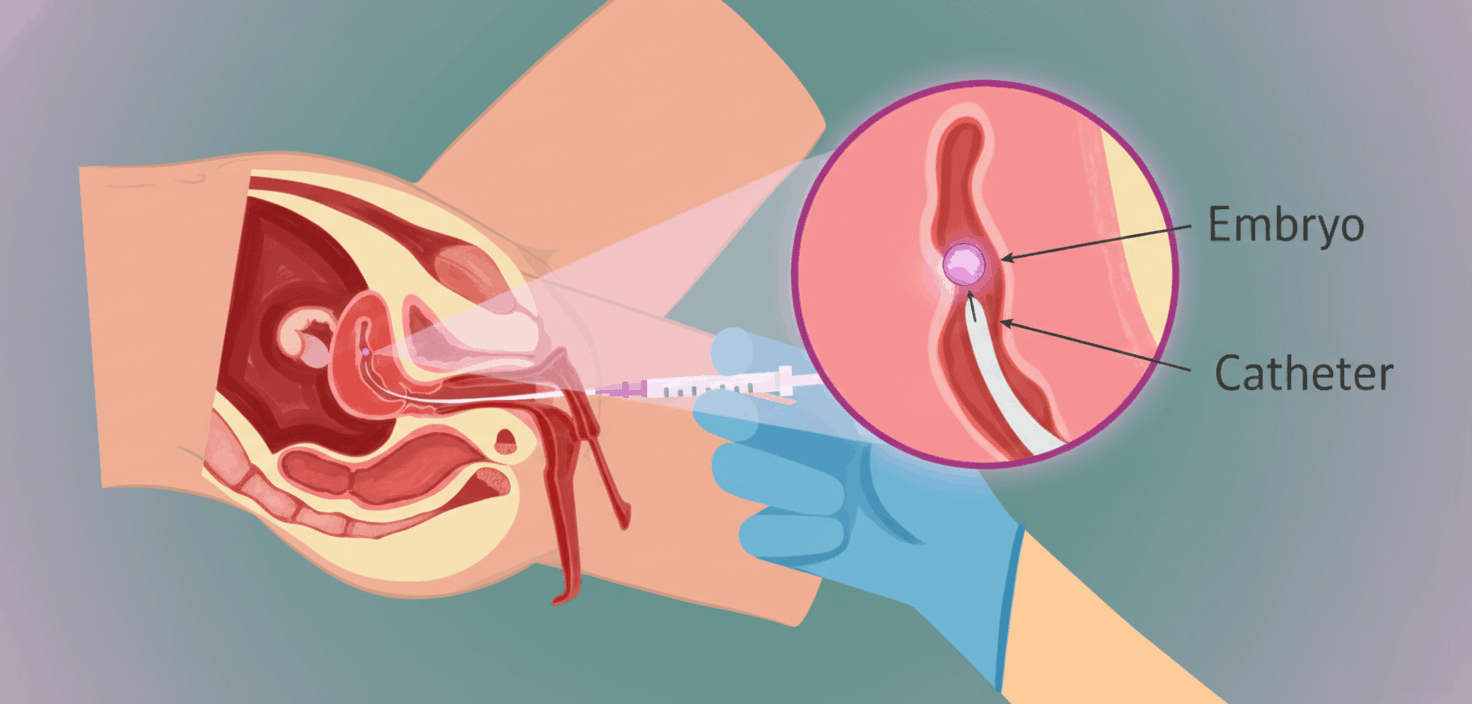
14 July, 2023
Embryo transfer (ET)
ET is the accurate and atraumatic deposition of embryos by means of an ET catheter into the uterine cavity, at an area with maximum implantation potential...
Read More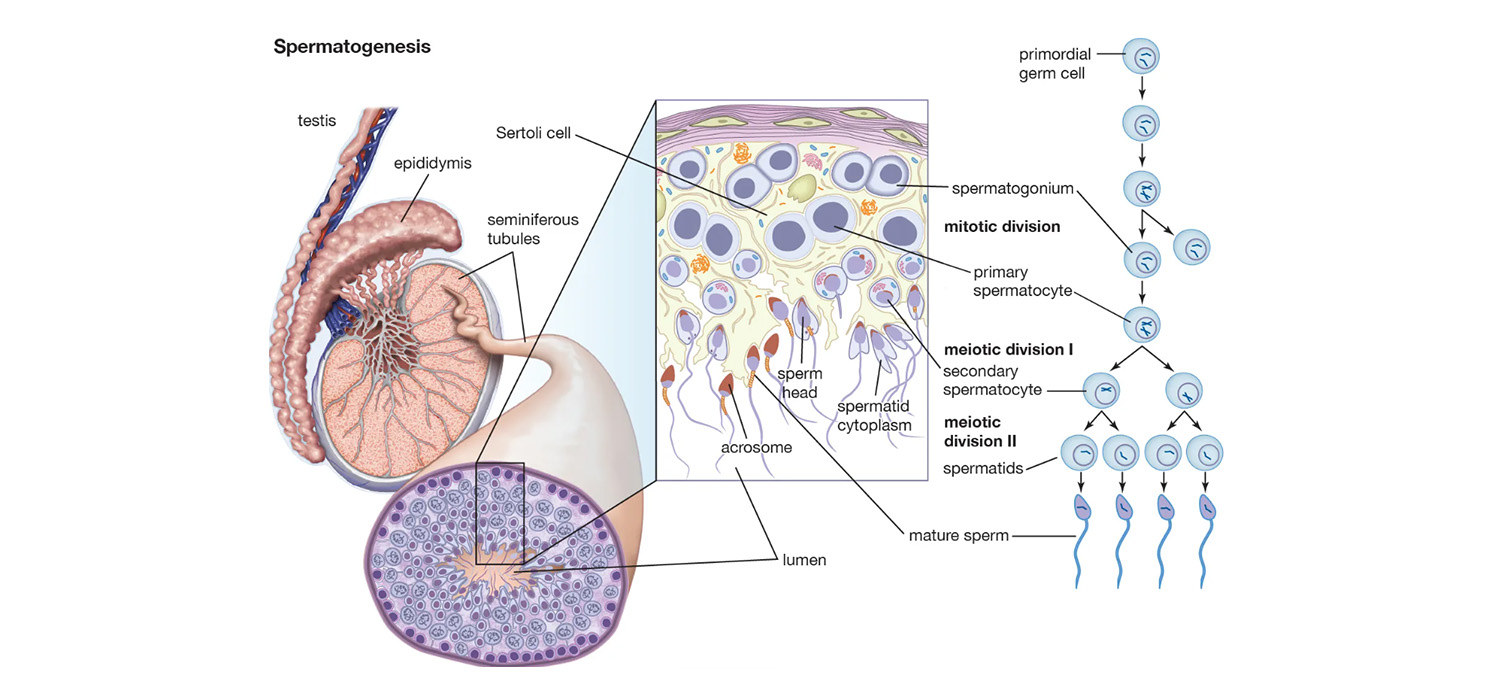
14 July, 2023
Spermatogenesis
Spermatogenesis is the process by which haploid spermatozoa develop from the germ cells within the seminiferous tubules...
Read More
12 July, 2023
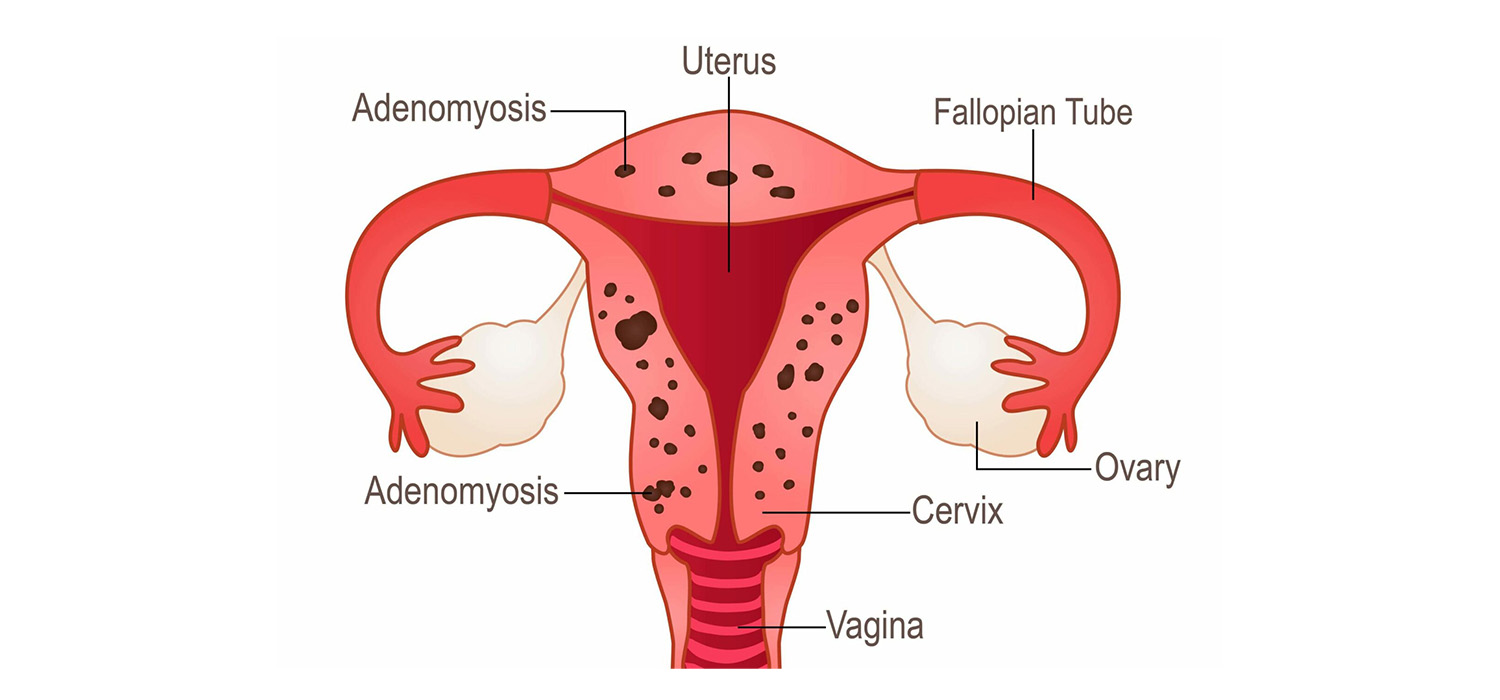
Adenomyosis and Infertility
Adenomyosis is the presence of endometrial stroma and glands within the myometrium. The prevalence is around 20% in young girls and about 32% in women between 42 and 49...
Read More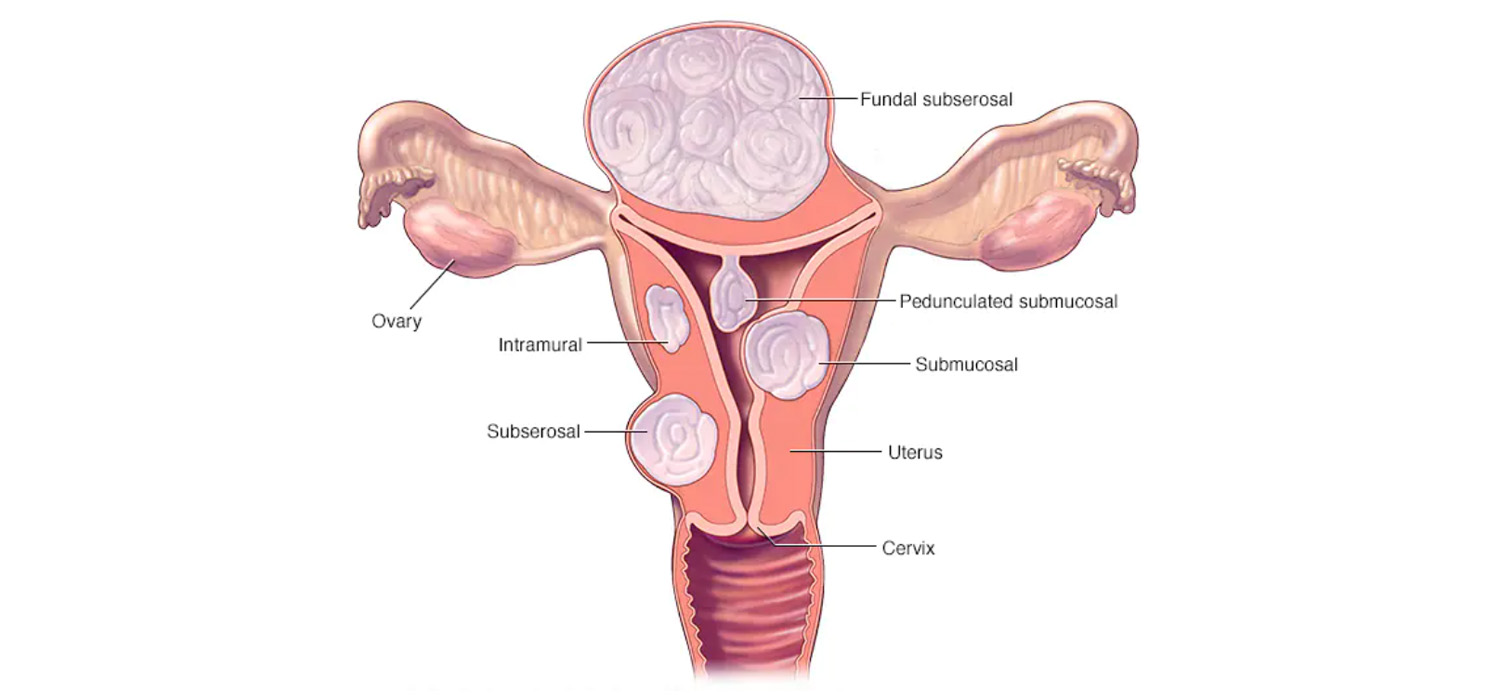
04 July, 2023
Uterine factors in infertility - Myomas
Myomas interfere with normal fertility in many ways. The increase the distance for sperm travel, can encroach on the tubal ostia, distort the uterine cavity, interfere with rhythmic uterine contraction, impair implantation...
Read More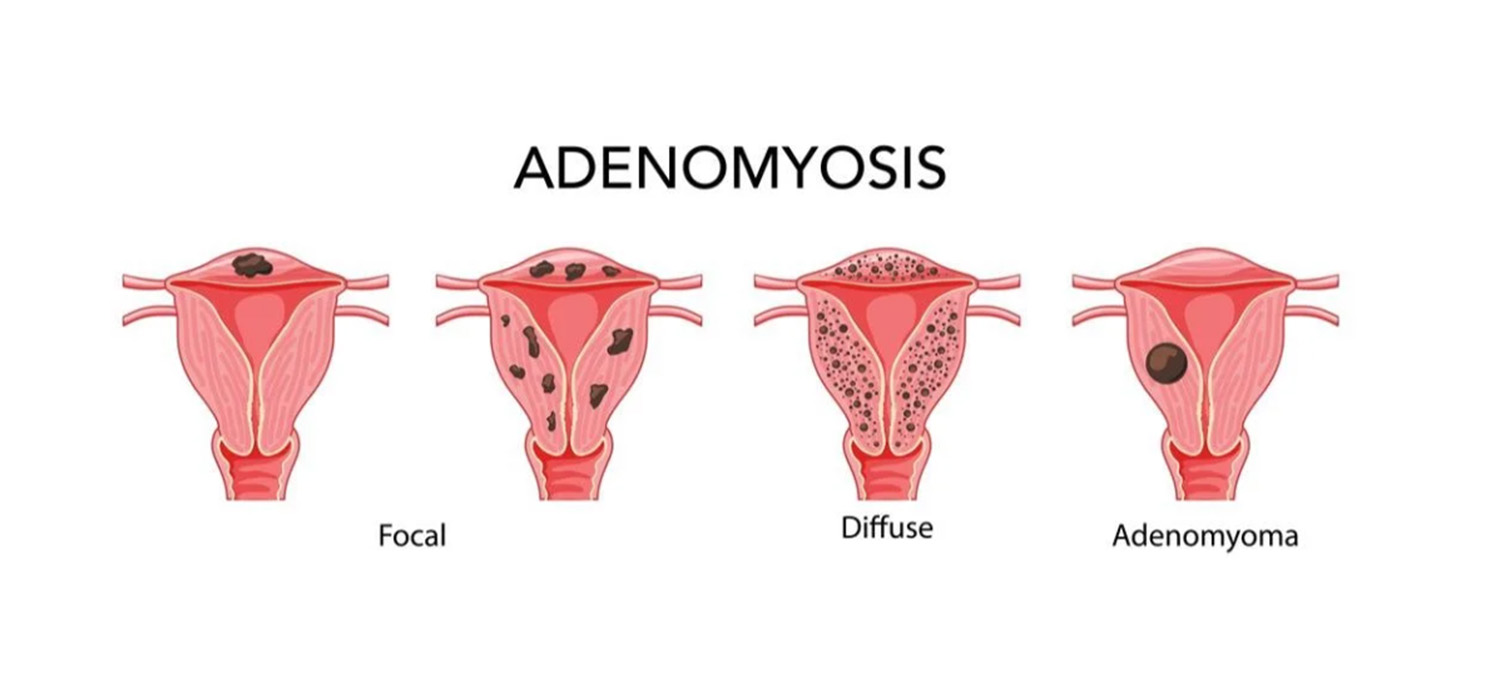
04 July, 2023
Uterine factors in infertility - Adenomyosis
Adenomyosis is the presence of endometrial glands and stroma within the myometrium. Symptoms of adenomyosis include dysmenorrhoea, menorrhagia, pelvic pain, and infertility...
Read More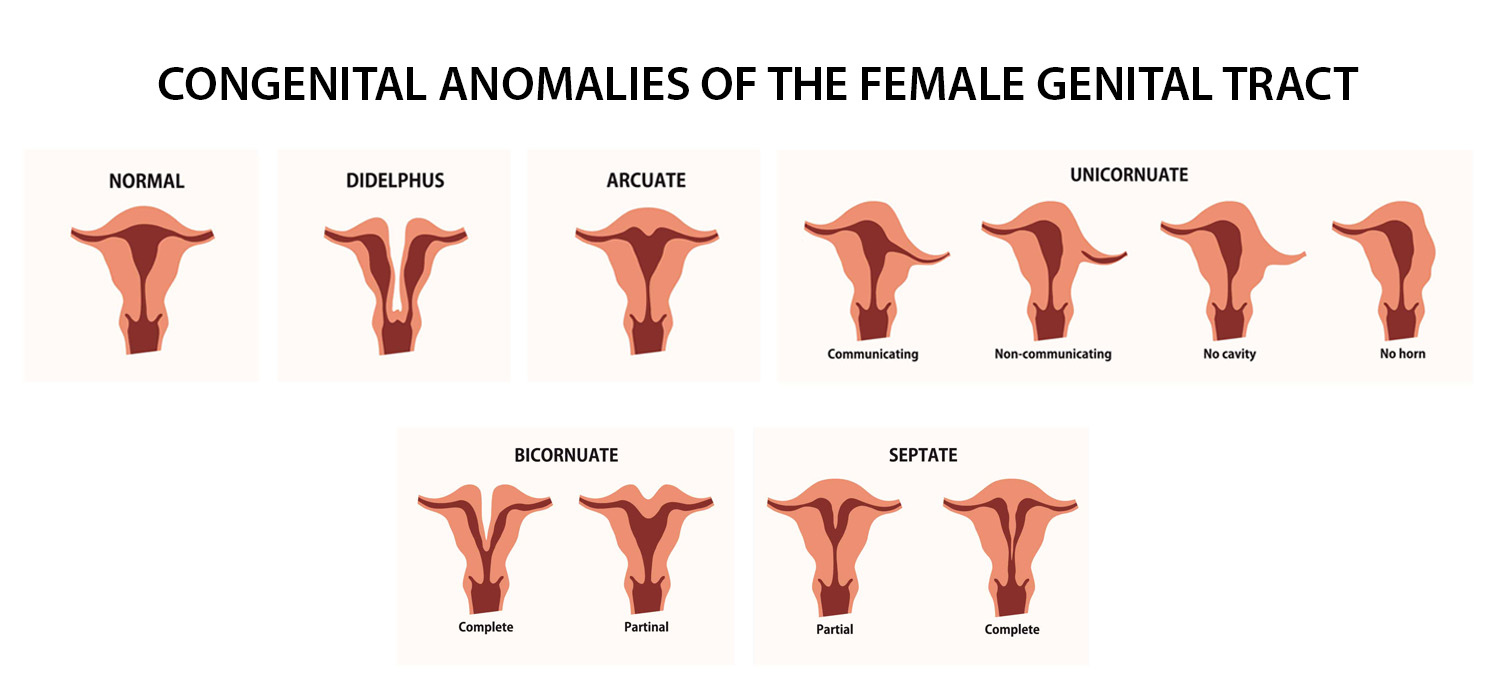
04 July, 2023
Uterine factors in infertility - Congenital Uterine abnormalities (CUA)
Uterine factors implicated in infertility affects 1:500 women of reproductive age group. They include uterine polyps, fibroids, adenomyosis, intrauterine adhesions and congenital abnormalities of the uterus...
Read More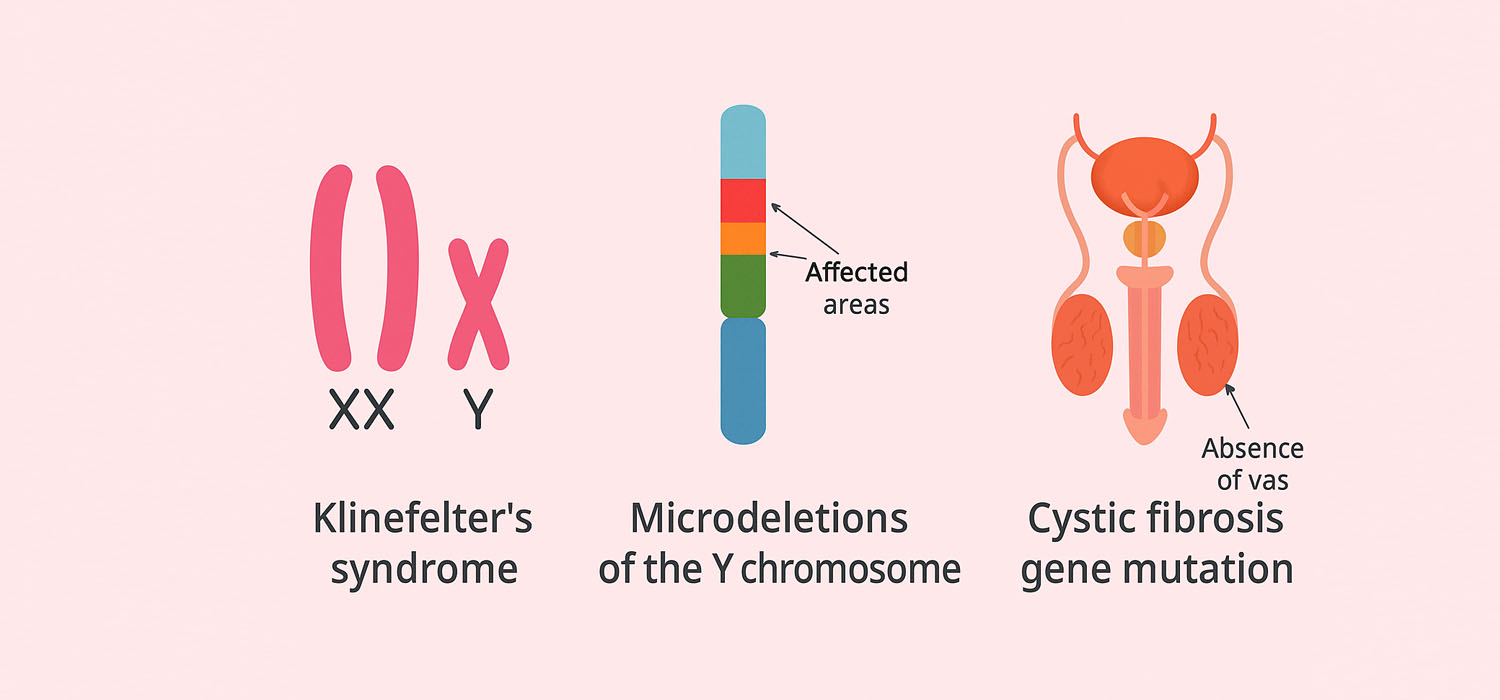
26 Jun, 2023
Role of genetics in male infertility
Genetic abnormalities may be encountered in 15-30% of male infertility. The range of abnormalities is from varying degrees of oligospermia to azoospermia. There is a 20% chance of encountering genetic abnormality in men with these semen abnormalities...
Read More