07Nov, 2026
The Human Touch in the Age of AI: Transforming Infertility Care
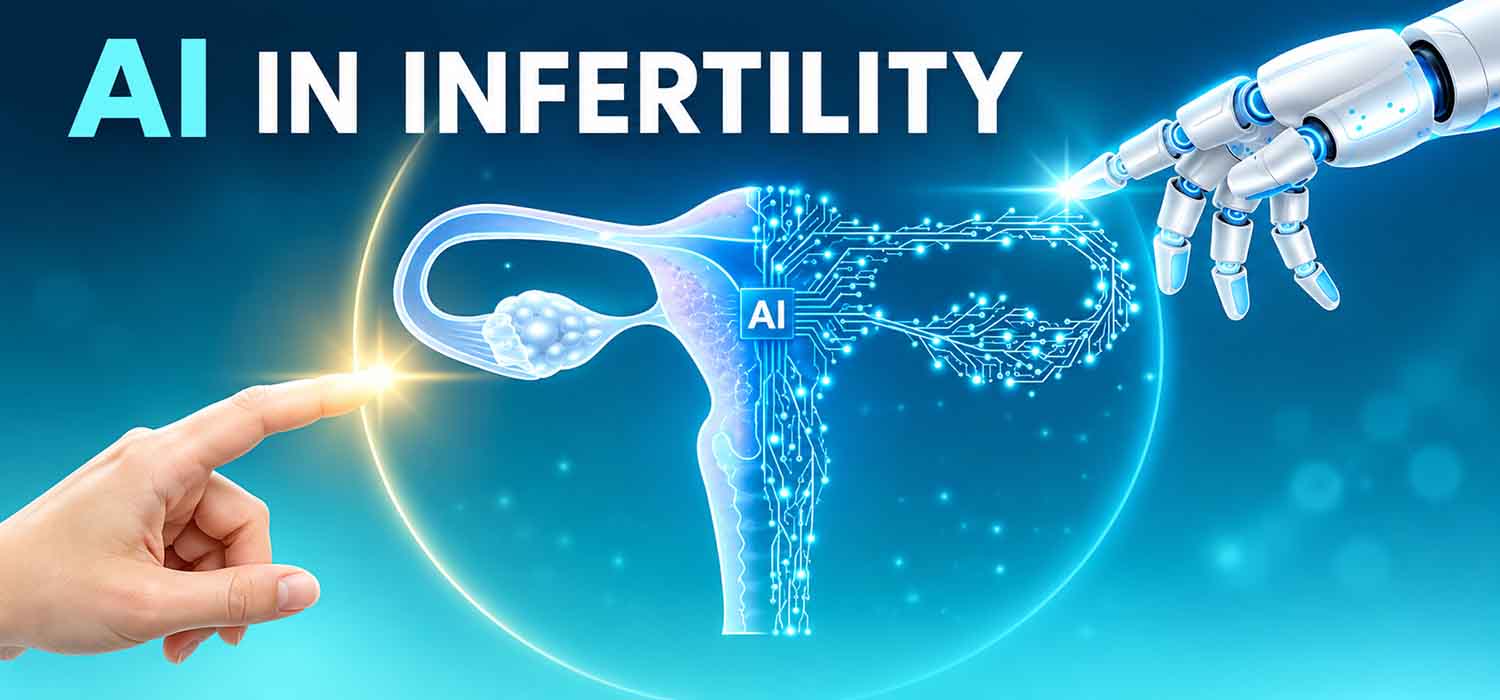
There are many aspects to treating infertility. New technologies and the development of Artificial Intelligence have improved the precision and personalization of treatment.
Why use AI in infertility treatment?
AI has transformed Assisted Reproductive Technology. Patient data can be analysed to identify trends and to help create individualised treatment plans for patients. Supervised learning techniques are used to analyse different sets of data, whilst unsupervised learning techniques can help to predict treatment success and choose which embryos to use. Some systems are black box meaning that whilst you get a prediction it isn’t always clear how they arrived there.
AI across the IVF process
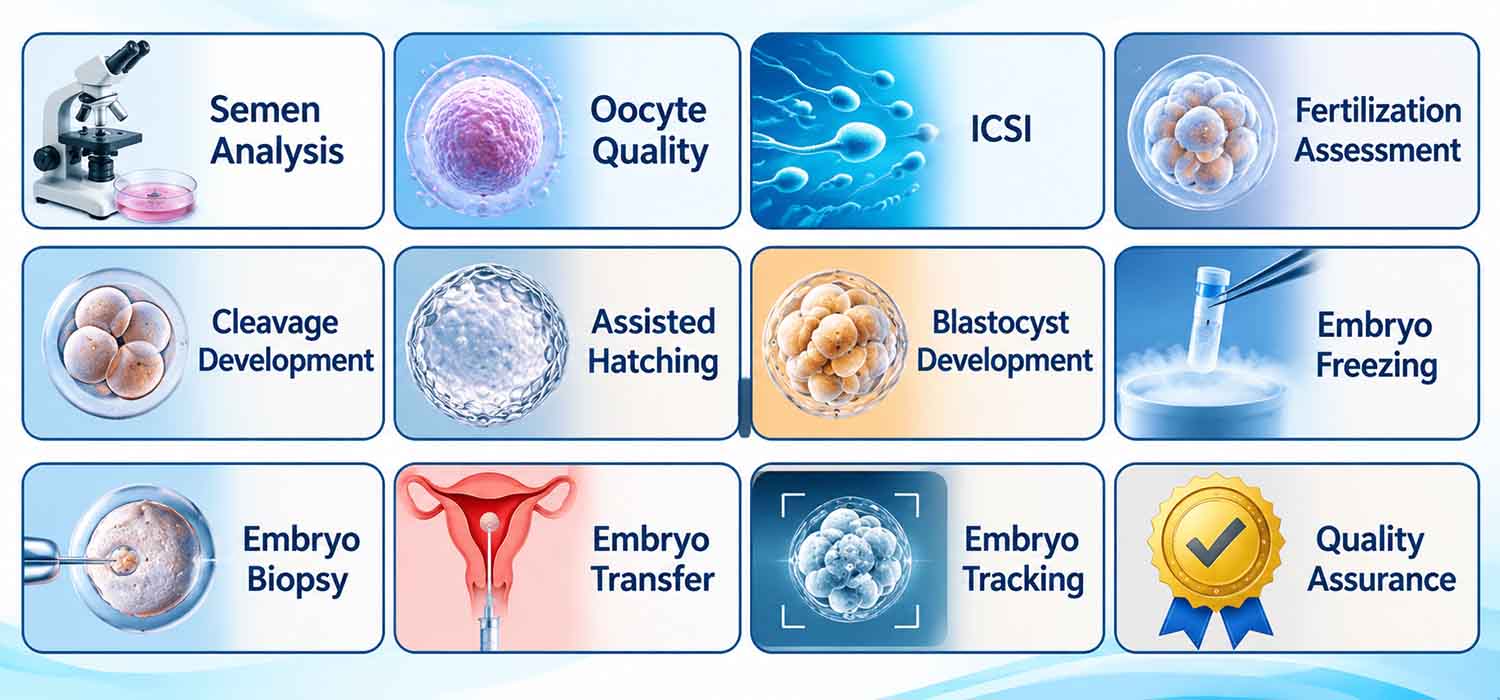
Artificial intelligence can be utilized in semen analysis, oocyte testing, embryonic development, embryo selection and embryo transfer. The application of Artificial Intelligence may be seen in oocytes and sperm selection, treatment optimization, hormone testing and better laboratory procedures in ART.
Sperm selection
Computer Assisted Semen Analysis (CASA) uses imaging technology and software to analyse semen samples including sperm motility. Artificial Intelligence enables consistent analysis, evaluation of sperm morphology, building predictive models and individualised treatment. This can also help predict how much sperm will be obtained from azoospermic patients. The use of smartphone apps can help with semen analysis, sperm viability and DNA integrity. This provides an objective method of analysis and reduces human error.
Oocyte and embryo selection
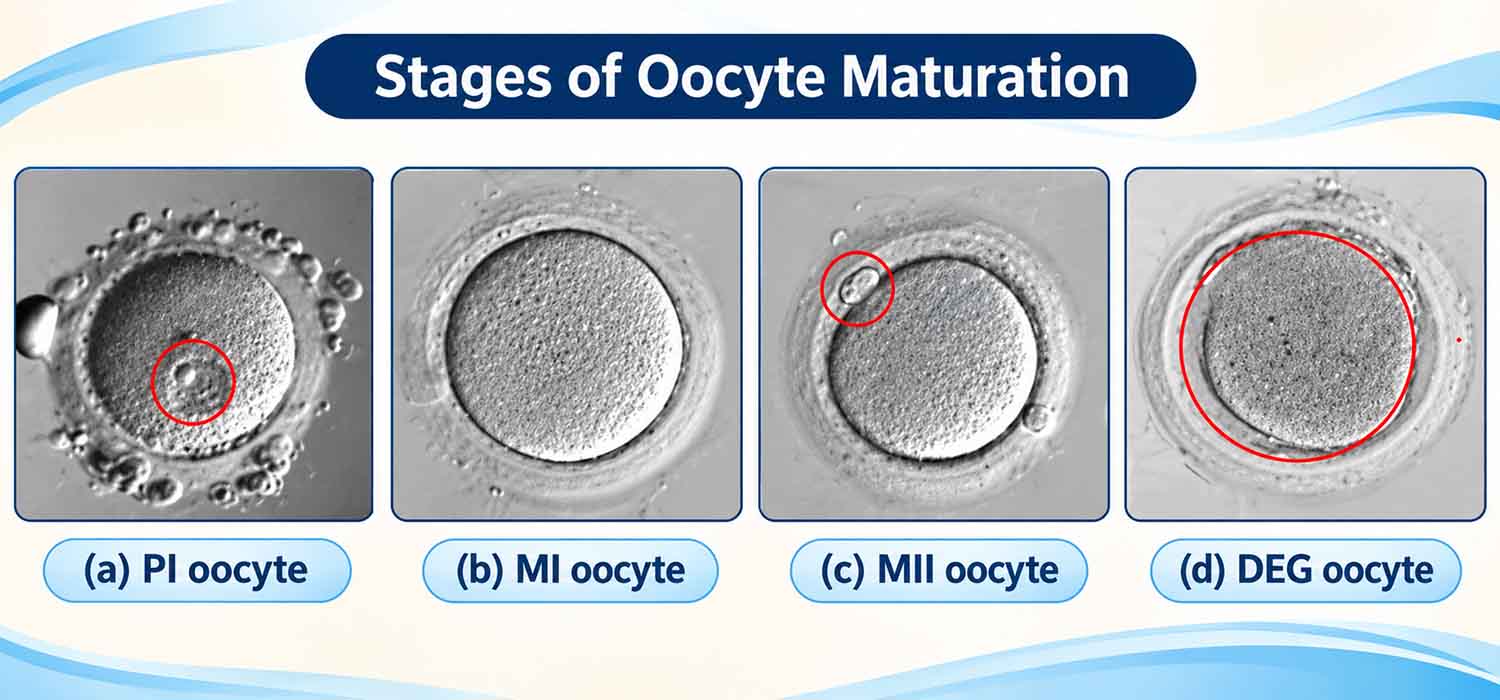
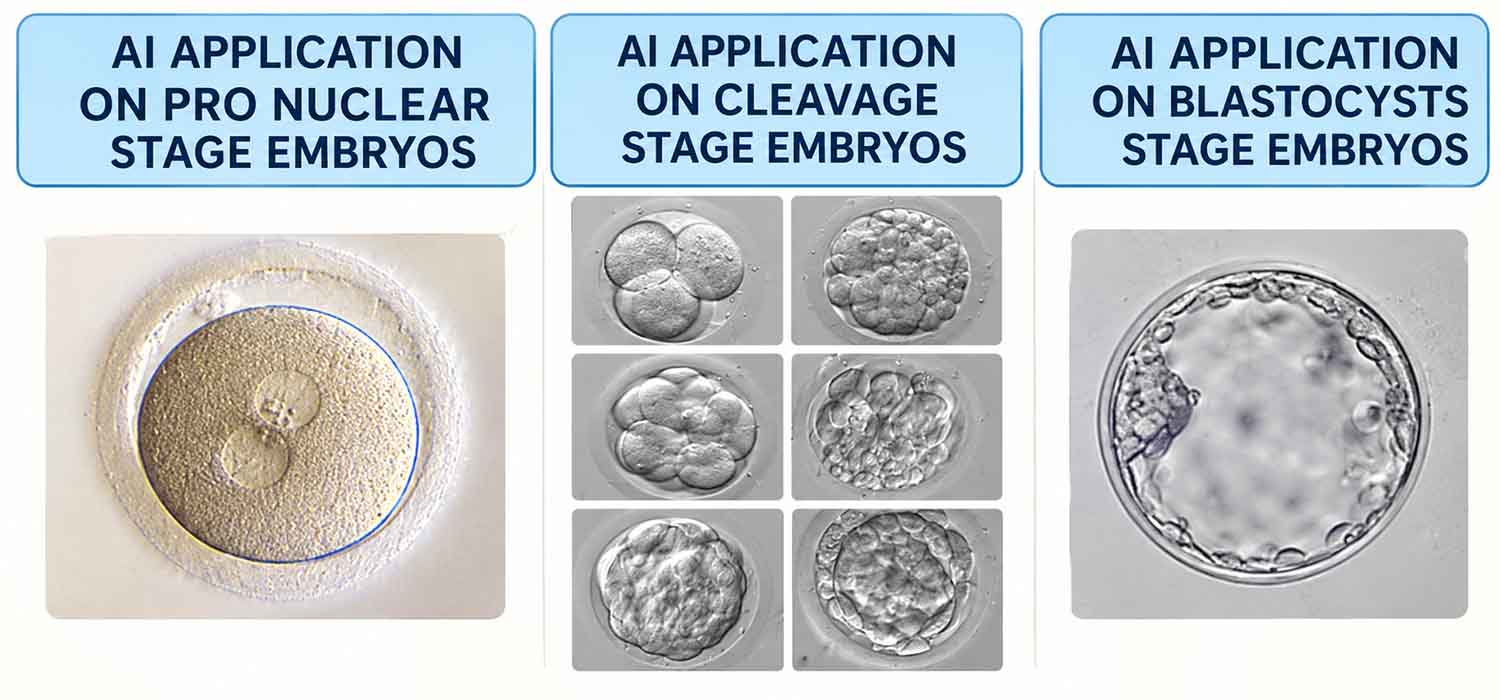
Machine learning algorithms can evaluate markers of oocyte maturity and cytoplasmic features to predict fertilisation potential and embryo quality. Software such as iDAScore and Life Whisperer use deep learning to evaluate embryos morphology and predict viability. This has a high accuracy of up to 86.3%.
Ploidy prediction and ovarian stimulation
BELA and PGTAI can analyse embryo images to help predict chromosomal normality. This can help with non-invasive preimplantation genetic testing and reduce biopsy. AI can take into account medical history, hormone levels and genetic information to provide individualised ovarian stimulation. This can help to predict ovarian response and reduce the risk of OHSS. Medications can be individualised and timing of trigger optimised.
Predicting outcomes and assessing receptivity
AI modelling can predict the likelihood of success with IVF (around 78%) and pregnancy following intrauterine insemination (AUC~0.78). Algorithms can be used to assess endometrial morphology, receptivity patterns, uterine motility and vascularity.
Third-party reproduction
The AI can assist with donor-recipient pairing based on genetics, phenotype, medical history and immunology. Surrogate candidates can also be screened based on medical suitability, obstetric history, psychological preparedness and risk factors.
Limitations
Whilst there are many exciting applications of AI within infertility care there are also some limitations.
In case you are a professional who wishes to enhance your knowledge about reproductive medicine and also wishes to keep up with the latest technologies that are used in fertility treatments, then a fellowship in reproductive medicine will prove to be very helpful for you. Learn more about infertility treatments and the assisted reproductive technology, which will shape the future of fertility treatments. Check out our reproductive medicine fellowship program.