
02Feb, 2026
The Silent Enemy: Impact of fibroids on infertility
For many women, the dream of starting a family is a deeply cherished one. However, sometimes, unseen obstacles can arise, making the path to conception more challenging. One such obstacle is uterine fibroids, non-cancerous growths that develop in or on the uterus. While often benign and asymptomatic, fibroids can, for some women, significantly impact fertility.
What are Uterine Fibroids?
Uterine fibroids, also known as leiomyomas or myomas, are common muscle tissue growths that develop in the uterus. They can vary widely in size, from tiny seedlings to bulky masses that can distort and enlarge the uterus. Women can have a single fibroid or multiple ones, and their location plays a crucial role in their potential impact on fertility.
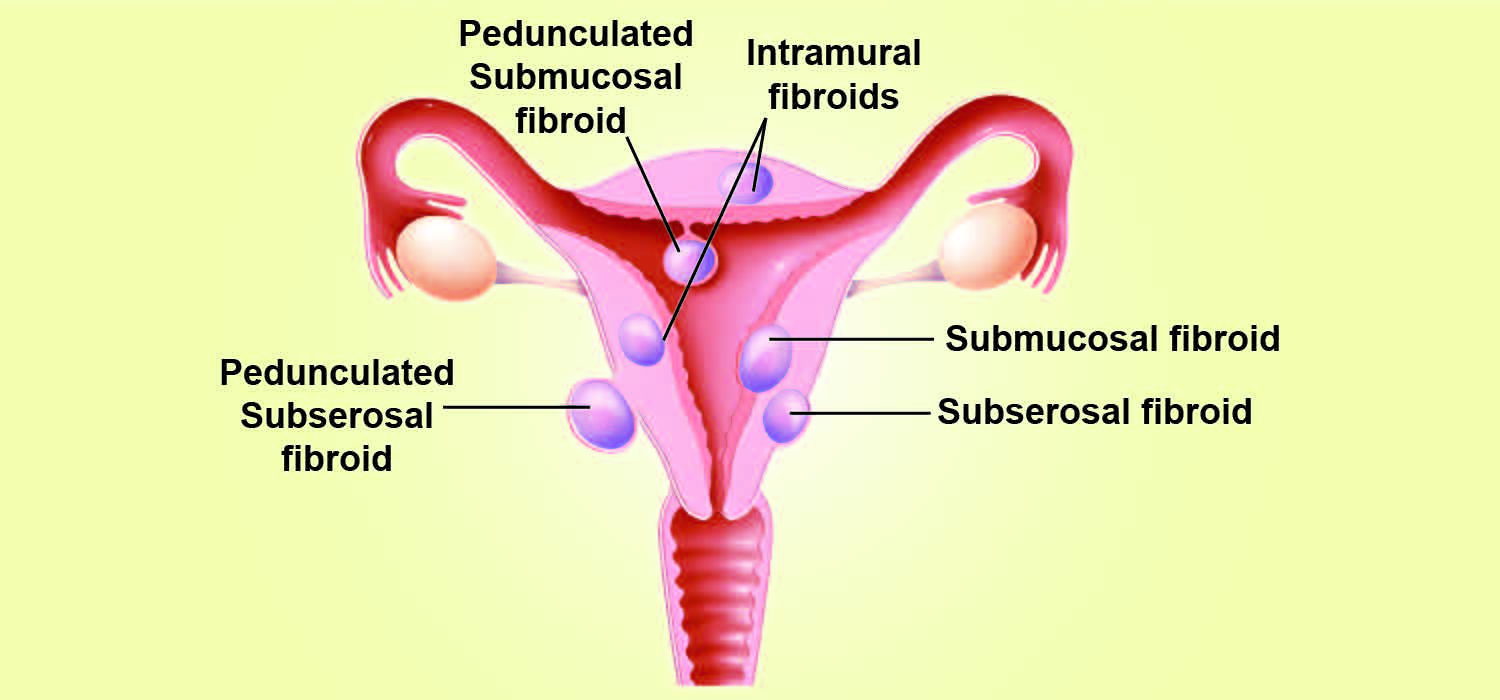
Classification of fibroids:
- Submucosal fibroids: These develop directly beneath the uterine wall and may even extend into the uterus.
- Intramural fibroids: These are the most common type, growing within the muscular wall of the uterus. Large intramural fibroids can distort the uterine cavity.
- Subserosal fibroids: These grow on the outer wall of the uterus. They are generally less likely to affect fertility directly but can cause other symptoms like pelvic pain if they become very large.
- Pedunculated fibroids: Submucosal fibroids that grow on a stalk, inside or outside of uterus.
Fibroids and Fertility
While not all fibroids cause infertility, and many women with fibroids conceive naturally, certain types, sizes, and locations can interfere with the reproductive process in several ways:
- Distortion of Uterine Shape: Fibroids, especially submucosal and large intramural fibroids, can alter the normal shape of the uterine cavity. This can make it difficult for a fertilized egg to implant successfully, hindering the early stages of pregnancy.
- Impaired Implantation: Fibroids can affect the uterine lining (endometrium) by altering blood flow, leading to a less receptive environment for embryo implantation. They may also create molecular changes or a detrimental inflammatory environment.
- Blocked Fallopian Tubes: Large fibroids can physically press against or block the fallopian tubes, preventing sperm from reaching the egg for fertilization or hindering the fertilized egg's journey to the uterus.
- Cervical Changes: In some cases, fibroids can alter the shape or position of the cervix, potentially reducing the number of sperm that can enter the uterus.
- Disrupted Uterine Peristalsis: The normal wave-like contractions of the uterus (peristalsis) are crucial for sperm and egg transport and successful implantation. Fibroids can disrupt this vital process.
- Increased Risk of Miscarriage: Fibroids that distort the uterine cavity or affect blood flow can increase the risk of early pregnancy loss or miscarriage.
- Sexual Dysfunction: In some cases, fibroids can cause pelvic pain, dyspareunia (painful intercourse), and heavy bleeding, which can interfere with sexual activity and, consequently, the frequency of intercourse, thereby reducing the probability of conception.
When to Suspect Fibroids and Infertility?
If you've been trying to conceive for 12 months or more (or 6 months if you're over 35) without success, and especially if you experience symptoms like:
- Heavy or prolonged menstrual bleeding
- Pelvic pain or pressure
- Frequent urination
- Pain during intercourse
- Irregular bleeding between periods
- Difficulty in conceiving
It's advisable to consult a healthcare provider. They can assess your symptoms and conduct diagnostic tests like pelvic exams, ultrasounds, or MRIs to identify any uterine irregularities, including fibroids.
Diagnosis and Evaluation
Fibroids can be diagnosed using imaging techniques such as:
- Ultrasound
- MRI
- Hysterosonography (saline sonogram)
- Hysteroscopy
These tools help determine the size, number, and location of fibroids and guide treatment planning
Treatment Options for Fibroids and Fertility
The approach to managing fibroids when infertility is a concern is highly individualized and depends on factors like the fibroid's size, location, number, and your fertility goals.
- Wait and watch: For asymptomatic fibroids or those deemed unlikely to affect fertility (e.g., small subserosal fibroids), a "watchful waiting" approach may be recommended.
- Medical Management: Hormonal medications can sometimes help manage symptoms and temporarily shrink fibroids, but they are generally not a long-term solution for fertility.
- Myomectomy: This surgical procedure involves the removal of fibroids while preserving the uterus. It's often recommended for women who desire future pregnancies, especially when submucosal or cavity-distorting intramural fibroids are present. Myomectomy can significantly improve pregnancy rates in such cases. Hysteroscopic Myomectomy is a minimally invasive procedure for removing submucosal fibroids.
- Uterine Artery Embolization (UAE): This procedure blocks the blood supply to fibroids, causing them to shrink. Not recommended for women who want to become pregnant, as it can affect uterine function.
- Assisted Reproductive Technologies (ART): In some cases, even after fibroid treatment, ART methods like In Vitro Fertilization (IVF) may be recommended, especially if other fertility factors are at play.
Conclusion:
While uterine fibroids can indeed be an obstacle to conception, they don't always mean the end of fertility hopes. Understanding how fibroids impact fertility, seeking early diagnosis, and discussing personalized treatment options with a fertility specialist are crucial steps on your journey to parenthood. With the right care and support, many women with fibroids can achieve their dream of having a healthy pregnancy. If you’re struggling to conceive and suspect fibroids, don’t hesitate to seek support from a fertility specialist.